
Norwegian Fjords

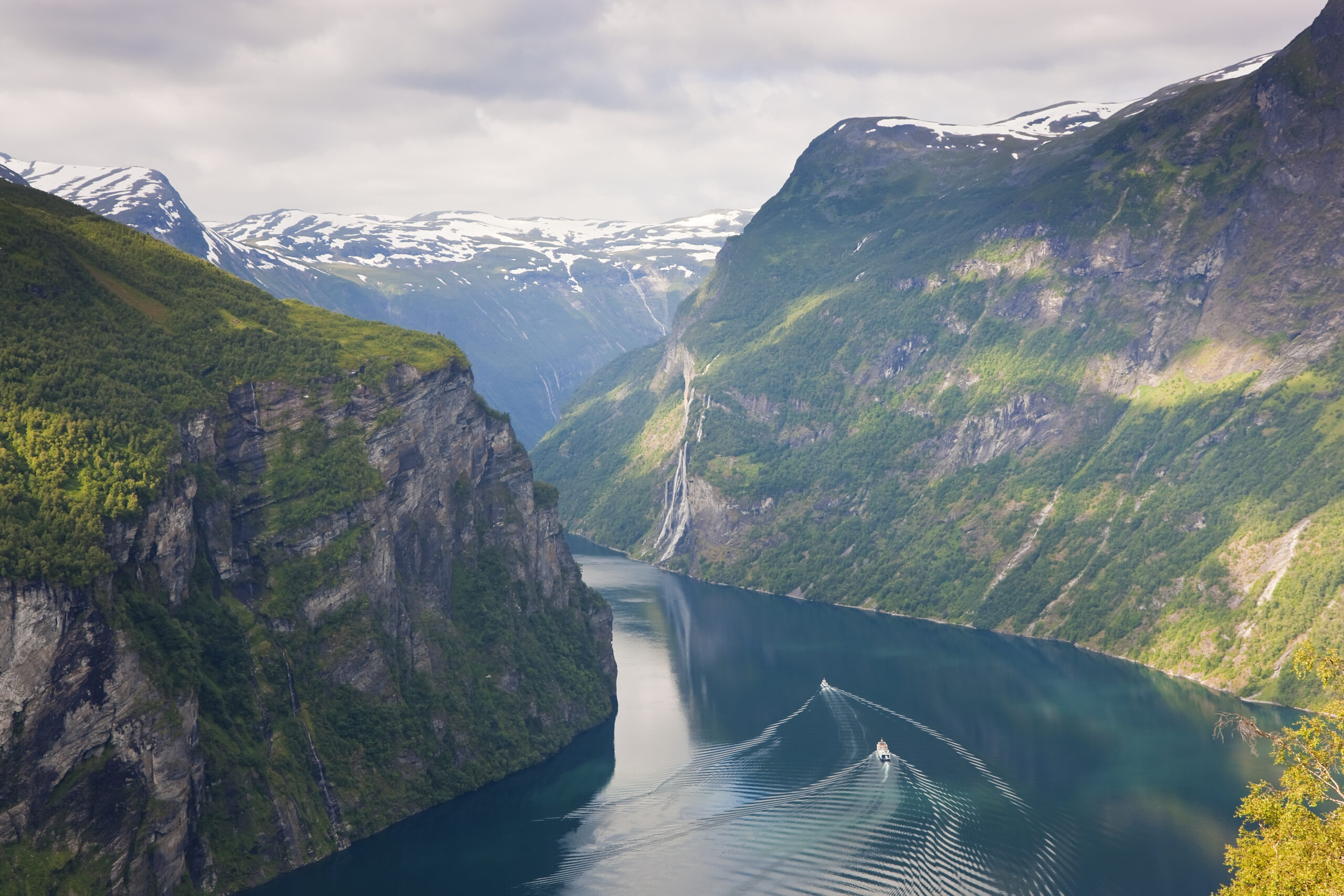
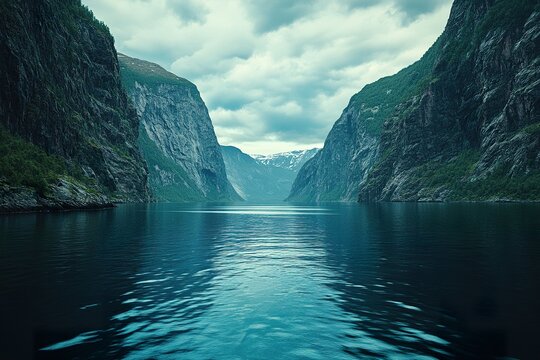
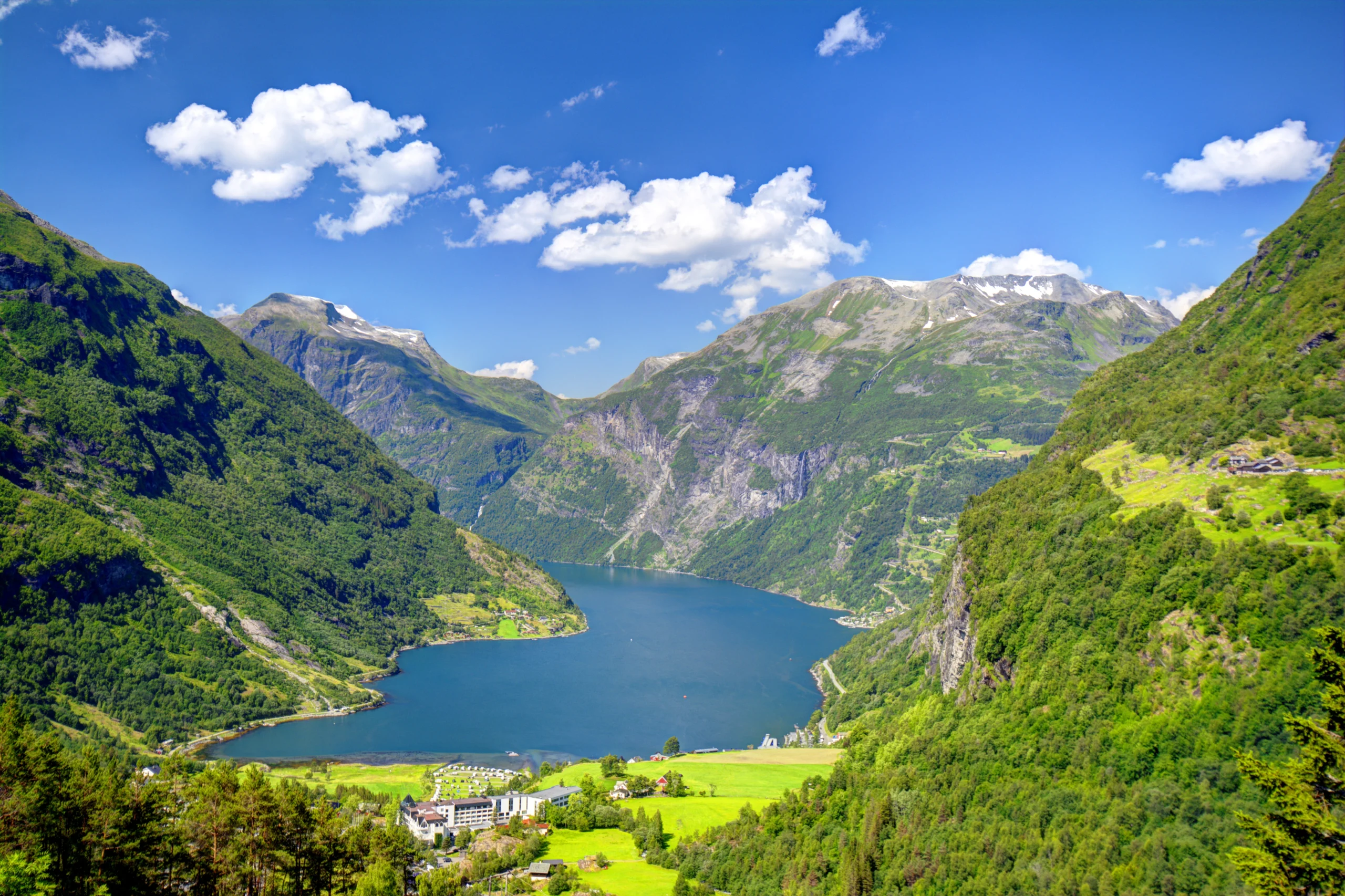
Carved out by ancient glaciers and stretching deep into Norway’s rugged coastline, the Norwegian Fjords are undoubtedly one of Northern Europe’s most striking and rewarding cruising destinations. Located along Norway’s western seaboard between cities such as Bergen, Ålesund, and Stavanger, the fjords form a dramatic network of narrow sea inlets framed by steep mountains, cascading waterfalls, and forested valleys. These unique and wild landscapes were shaped over millions of years by glacial activity, creating deep U-shaped waterways that provide calm waters and rather idyllic cruising routes that are perfect for exploring via charter yacht. As the region is known for its untouched, natural landscapes, including deep forests, clear waters, quiet villages, and remote anchorages, a Norwegian Fjords yacht charter offers a sense of tranquillity rarely found elsewhere in Europe. Home to more than a thousand fjords, the most famous are in Fjord Norway, in the western part of the country. Geirangerfjord, a UNESCO World Heritage Site, is famous for its towering cliffs and waterfalls such as the Seven Sisters, while Sognefjord, the longest and deepest fjord in the country, is surrounded by picturesque villages, glacier valleys, and scenic hiking routes. Further south, Hardangerfjord is known for fertile orchards, historic farms, and views towards the Folgefonna glacier. Wildlife encounters here are common, with opportunities to see sea eagles, seals, and occasionally orcas along the coastline. Positioned along Norway’s western coast, the Norwegian Fjords also serve as the perfect gateway for extended cruising itineraries north towards the Lofoten Islands or south along the Scandinavian coastline.
When to go
May - September
High season
July - August
The best time of year to visit the Norwegian Fjords is between May and September, when the longer days, milder temperatures, and calmer waters offer the most favourable cruising conditions (and wildlife spotting conditions!) The months of July and August reflect the peak summer season, and although they bring warmer weather, they also see a rather increased stream of tourist traffic in popular fjords and villages. Visiting in May, June, or September tends to mean quieter anchorages, excellent visibility, and the chance to experience Norway's landscapes with fewer visitors.
Featured yachts for Norwegian Fjords


Similar Destinations